Anyone who has experienced withdrawal knows it’s not just “in your head.” The racing thoughts, tight muscles, poor sleep, and constant sense of unease are very real- and they can make recovery feel like an uphill battle. When the nervous system is overwhelmed, the body struggles to adapt to change. Chiropractic care doesn’t treat addiction itself, but it can help calm and support the nervous system during one of the most challenging transitions a person can face.
At Elevate Chiropractic, we look at recovery through a nervous-system lens. Chiropractic care does not treat addiction itself, but it can support the body’s ability to adapt during one of the most stressful transitions a person can experience.
Addiction, Withdrawal, and the Nervous System
Addiction places the nervous system under long-term stress. Over time, the body adapts to substances by altering neurotransmitter activity, stress hormones, and pain signaling. When those substances are removed, the nervous system often swings into a state of overdrive.
This “fight-or-flight” dominance- also known as sympathetic nervous system activation- is what fuels many withdrawal symptoms. Research shows that heightened nervous system stress is closely tied to anxiety, sleep disturbance, and relapse risk during early recovery.1
For recovery to stick, the body needs help shifting out of survival mode and back toward balance.
How Chiropractic Care Supports Adaptation

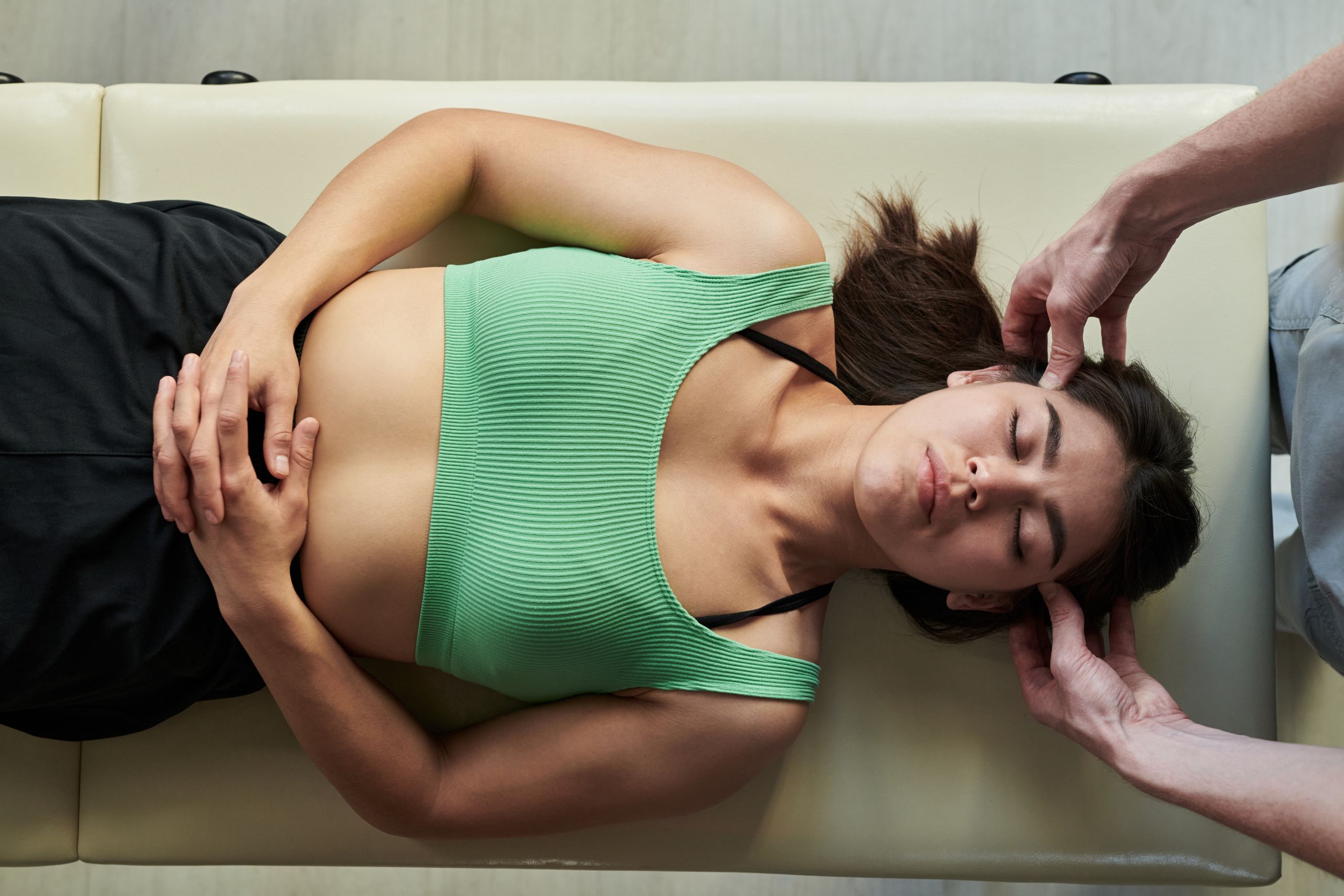
Chiropractic care focuses on the relationship between the spine and the nervous system. Spinal joint dysfunction (often referred to as subluxation in chiropractic terms) can interfere with how the brain receives and processes information from the body.
Multiple studies have shown that spinal adjustments can influence nervous system regulation, including:
- Improved parasympathetic (calming) nervous system activity
- Reduced stress hormone output
- Changes in brain regions associated with pain perception and emotional regulation
One 2012 review found that chiropractic adjustments can produce measurable changes in central nervous system processing, not just local pain relief.2 For someone in recovery, this can mean a body that feels more grounded, less reactive, and better able to tolerate discomfort.
Chiropractic Care and Addiction Recovery Programs
In real-world addiction recovery settings, chiropractic care is often used as a supportive tool to help people stay engaged in treatment. When the body feels calmer and less overwhelmed, it becomes easier to focus on counseling, group support, and the hard emotional work that recovery requires.
Many individuals in recovery report that chiropractic care helps ease physical tension, reduce anxiety, and improve sleep- three challenges that commonly show up during withdrawal. When these symptoms are less intense, people are often better able to tolerate the early stages of recovery and remain present in their treatment programs.
It’s important to be clear: chiropractic care does not treat addiction itself. Instead, it supports the nervous system so the body can better adapt during a time of major change. By helping the body feel more regulated and resilient, chiropractic care may make it easier for individuals to fully participate in the therapies and medical care that directly address addiction.
Staying in treatment matters. Completing a structured recovery program significantly improves the chances of long-term success, and supportive care that reduces physical and emotional strain can play a meaningful role in helping people get there.
A Supportive, Not Stand-Alone, Approach
Chiropractic care should never replace evidence-based addiction treatment. Instead, it works best as a complementary support- alongside counseling, medical supervision, nutrition, movement, and community.
At Elevate Chiropractic, our approach is gentle, neurologically-focused, and centered on helping the body feel safer during periods of change. Contact our team today to schedule a consultation and learn how chiropractic care can support resilience, regulation, and recovery—one adjustment at a time.
References